
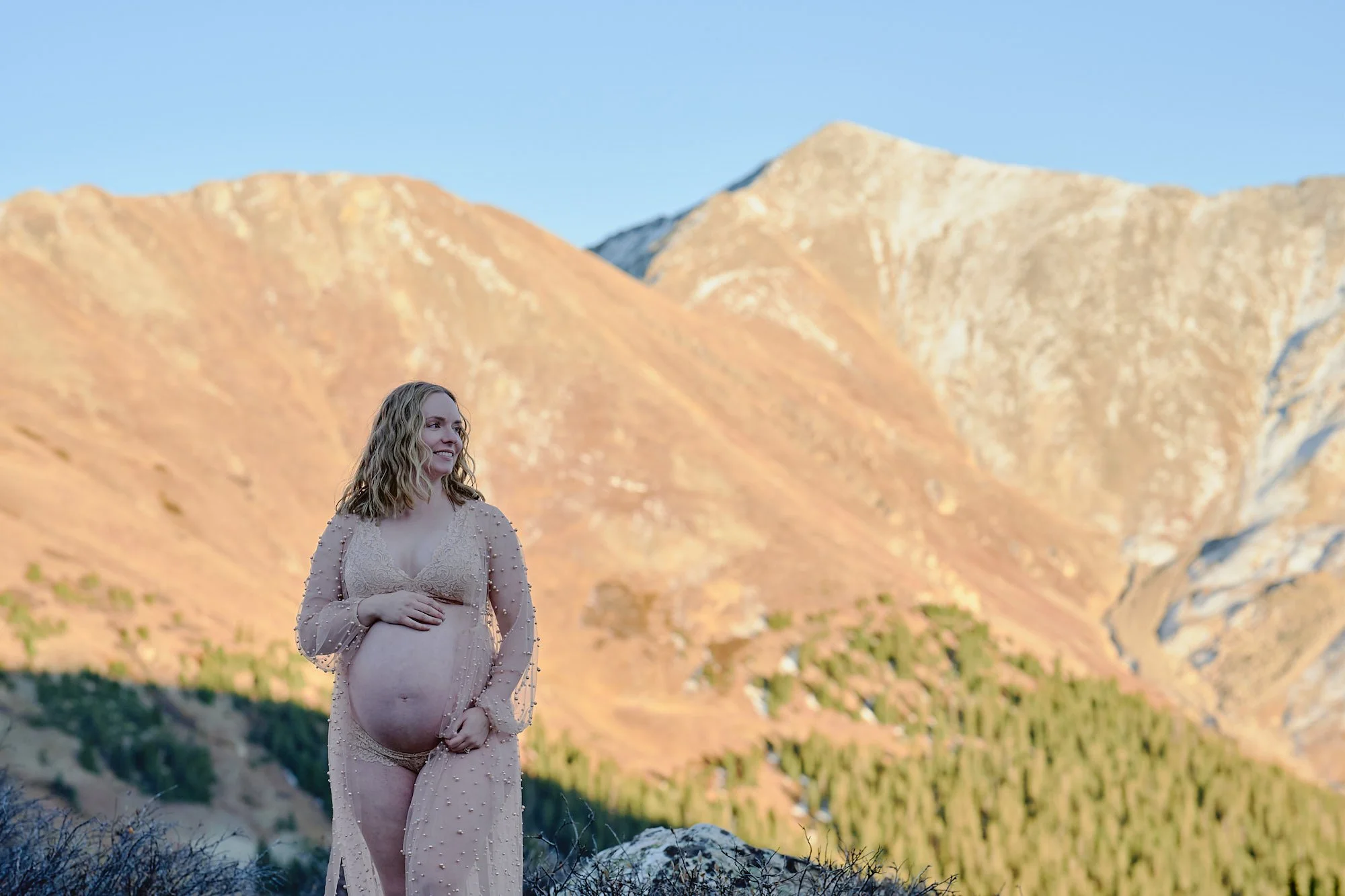
The Appeal and the Reality of Mountain Maternity Sessions
There's something about asking your maternity photographer, "Can we shoot in the mountains?" that feels like you're asking for the ultimate Colorado experience. Vail, Breckenridge, Estes Park, Rocky Mountain National Park—these locations have iconic backdrops and light that's genuinely different from lower elevations.
The reality is that mountain maternity sessions are absolutely possible, and they produce stunning images. But they also require specific planning, and there are logistics that matter when you're pregnant and shooting at altitude.
I shoot mountain sessions regularly. I love them. But I also want you to understand what you're getting into before you book, so you can feel confident and comfortable during the actual session.
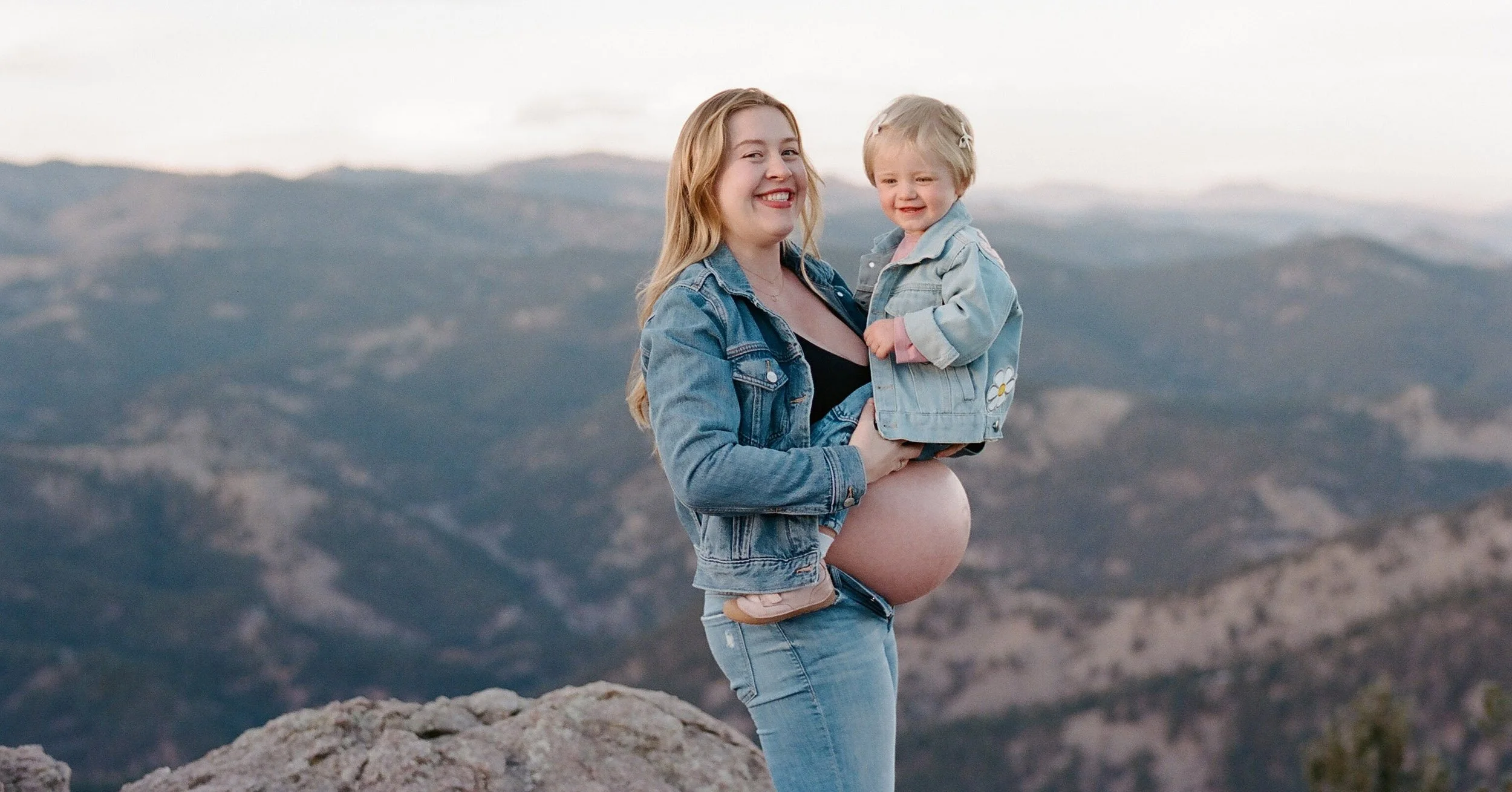
The Altitude Reality
Colorado mountains range from about 8,000 feet in places like Estes Park to over 12,000 feet in places like Breckenridge and the peaks above the tree line. For most people, 8,000 to 10,000 feet is noticeable but manageable, especially if you take it slowly. Above 10,000 feet, most people feel the altitude—shortness of breath, possibly some lightheadedness, just that sense of thinner air.
You're pregnant, which means your body is already working harder. You have more blood volume, your heart is already pumping more, your lungs are already processing more. Add elevation, and that's cumulative. It's not dangerous—plenty of pregnant people live and work at altitude—but it's something to acknowledge and plan around.
What this actually means for your session: we pace it. You're not hiking for hours. We find beautiful locations that don't require extreme exertion. We build in breaks. We make sure you're hydrated. We shoot during times of day when the light is best so we're not out longer than necessary. If you're feeling tired or short of breath, we stop.
Your photographer should know how to work at elevation. They should have adapted their session pacing accordingly. They should not be pushing you to keep going if you're uncomfortable. Good mountain photographers understand this.
Specific Mountain Locations and What They Offer
Estes Park and Rocky Mountain National Park
RMNP is probably the most iconic Colorado mountain location for maternity photos. The light is incredible—you're at about 8,000 feet, which is high enough for that clear, thin-air quality but low enough to not be uncomfortable. The backdrops are legitimately stunning. Mountain peaks, evergreen forests, alpine light.
The downside: it's popular, it's exposed to weather, and the best times for shooting are early morning or late afternoon, which limits your flexibility. Also, you need to be comfortable with some gentle hiking to reach good locations. Nothing extreme, but you're walking through terrain.
Timing: June through September for comfortable weather. October is beautiful but colder, especially mornings. Avoid winter.
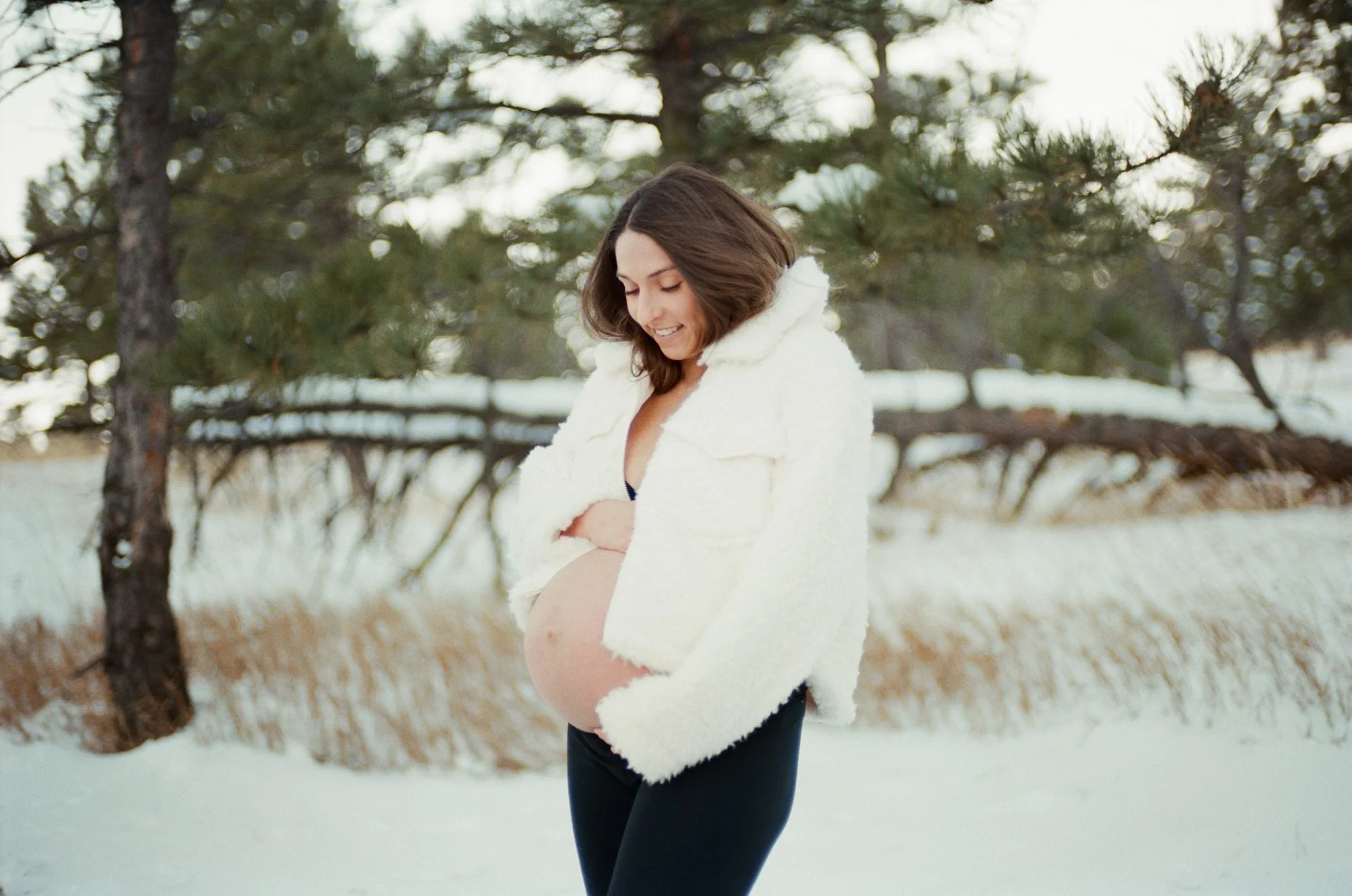
Vail and the Vail Valley
Vail offers a different aesthetic than RMNP. You get mountains, but you also get the developed landscape of the town, which can be beautiful in a more designed way. The surrounding valleys have open space with mountain backdrops that feel expansive without requiring extreme elevation.
You're typically at around 8,000 to 9,000 feet, which is high but approachable. The light here in summer and early fall is absolutely stunning.
Timing: June through September. October becomes very cold.
Breckenridge and Summit County
Higher elevation—you're around 10,000 feet, sometimes higher. The visual payoff is big. You get that thin-air light quality that's magical. Mountains surround you. It's visually dramatic.
But Breckenridge is definitely at altitude. If you're sensitive to elevation, you'll notice it. Pacing and hydration become more important. Some pregnant people handle it fine. Some feel it more. It's worth being honest about your tolerance.
Timing: July and August for comfortable temperatures. September is beautiful but gets cold fast at this elevation. Snow is possible from September onward.
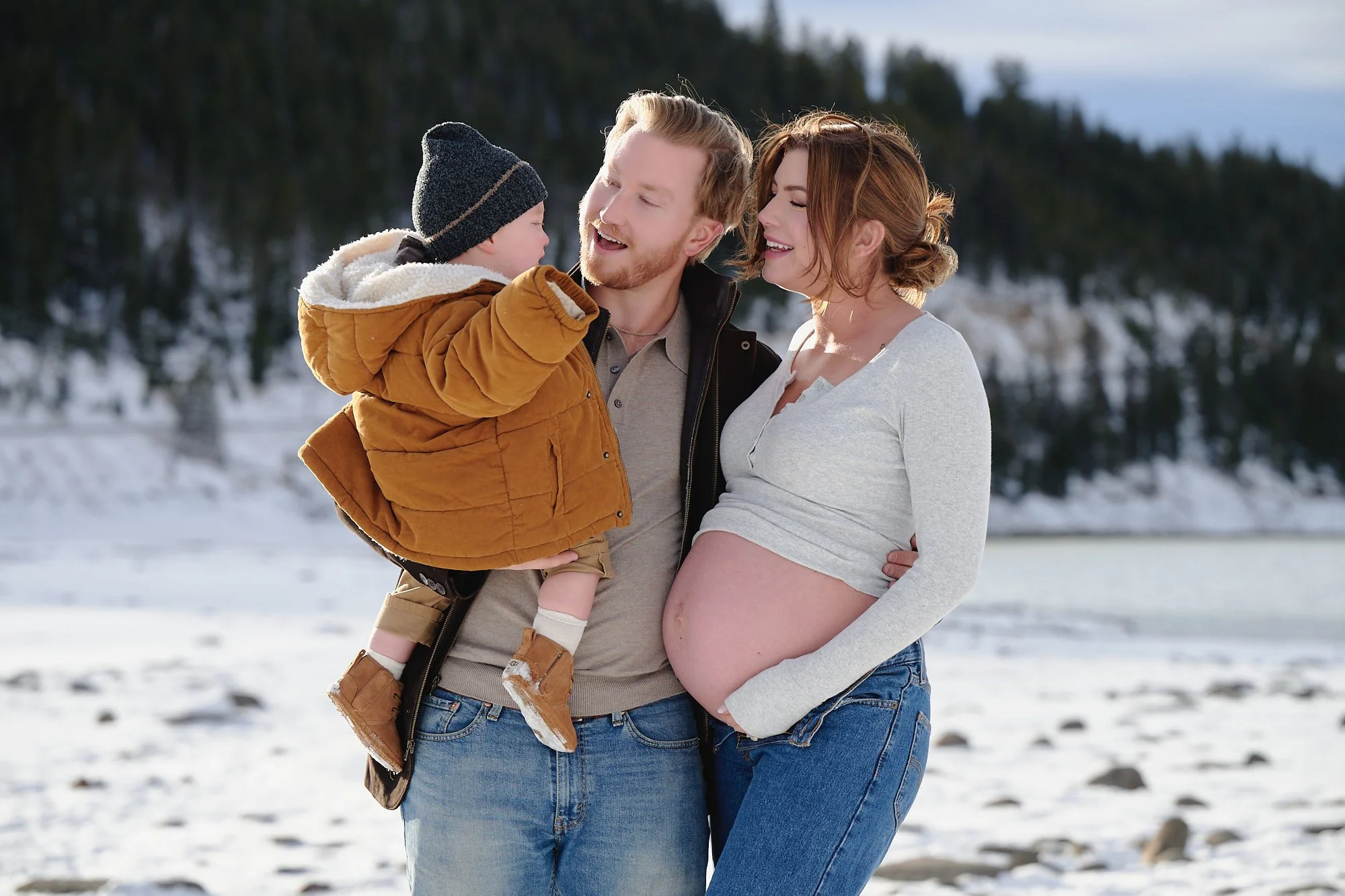
Closer Options: Evergreen, Echo Lake, Mount Evans Road
If you want mountain backdrops without going super high elevation, Evergreen and the highway up toward Echo Lake offer beautiful scenery at more moderate altitude. You get evergreen forests, mountain views, that Colorado mountain aesthetic at around 8,000 to 9,000 feet.
These locations are also closer to Denver, which is practical if you're managing pregnancy and don't want to drive two hours each way.
Light at Elevation
Here's what makes mountain light special: thinner atmosphere means cleaner light. Less atmospheric particles scatter the light. Colors are clearer. The quality is different. Golden hour is genuinely golden, not orange. Shadows have more shape without being harsh. The sky is more saturated blue.
This light is workable longer than you'd think. At elevation, the window of usable light extends a bit longer than at sea level because the sun hits differently due to terrain. That said, the prime window is still 1-2 hours before sunset. Morning light works too, but afternoon/golden hour is typically better.
Clouds behave differently at elevation. They can roll in quickly, especially in afternoons, especially in summer. This is worth knowing because it means we're watching the weather and potentially timing the shoot to catch light before afternoon clouds develop. It's not a dealbreaker, but it's something to plan around.

What to Bring and Wear for Mountain Sessions
Layer. You're at elevation, weather changes quickly, and temperature can shift. Bring a warmer layer even if it's 70s at the trailhead—it might be 60 at elevation, and that chill gets real fast.
Wear shoes you're comfortable hiking in. Not extreme hiking, but you might be walking on terrain, on trails, potentially over uneven ground. Supportive shoes matter. Maternity bodies appreciate that support.
For styling, rich colors look beautiful in mountain settings. Jewel tones, warm earth tones, neutral creams. Avoid bright white or pastels that might get blown out against the sky and landscape. Black looks stunning in mountain light.
Bring water. More than you think you need. Altitude plus pregnancy plus exertion equals serious dehydration risk. Having constant water available is not optional.
Sunscreen. You're at elevation with thinner atmosphere. UV exposure is more intense. Protect your skin.
Pre-Session Logistics and Planning
Talk to your photographer before the session about your altitude tolerance and comfort level. Don't minimize it to be tough. If altitude affects you, say so. A good photographer will choose locations and plan pacing accordingly.
Check the weather forecast. Mountain weather can shift. Know what conditions are expected and what the photographer's backup plan is if weather becomes an issue.
Plan for travel time. Mountain sessions often require driving. Give yourself plenty of buffer time so you're not rushing or stressed. Arriving calm and hydrated is half the battle.
Confirm parking, location access, and any permits needed. Some mountain locations require parking permits or have specific access rules. Your photographer should handle this, but it's worth confirming.
Eat a good meal before the session. Low blood sugar plus altitude plus pregnancy is miserable. You want to feel good.
Why Mountain Images Feel Different
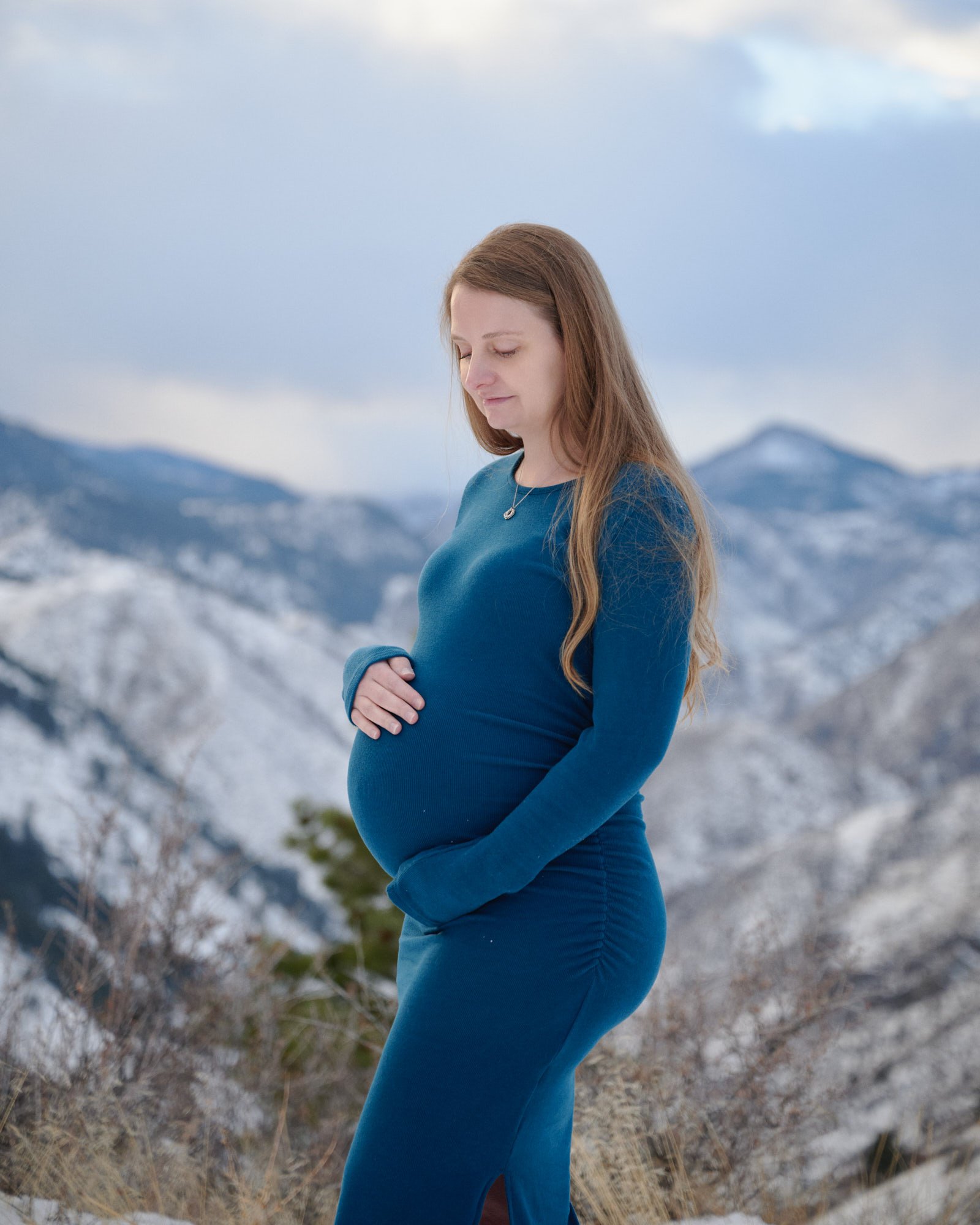
Mountain maternity photos have a specific quality. They feel epic without being overdone. The landscape is grand, but you're the subject. The backdrops are stunning, but they don't overshadow you. There's this sense of scale and drama that outdoor sessions have, amplified by elevation.
Mountain sessions tend to feel more like adventures. Like you did something special. The images have this quality of expansiveness that lower-elevation sessions sometimes don't quite capture.
From a technical standpoint, mountain light and scenery just produce different images. More saturated, more clarity, more visual interest. If that's the aesthetic you're drawn to, mountain sessions deliver.
Realistic Expectations
Mountain maternity sessions require more planning and more physical consideration than studio or lower-elevation outdoor sessions. They're worth it if you want that specific aesthetic. They're also totally optional if you'd prefer something simpler.
The best mountain sessions happen when you're excited about the location and honest about your comfort level. When those two things align, the images are genuinely special.